

Why the RGD In-House Conference Changed the Way I Network
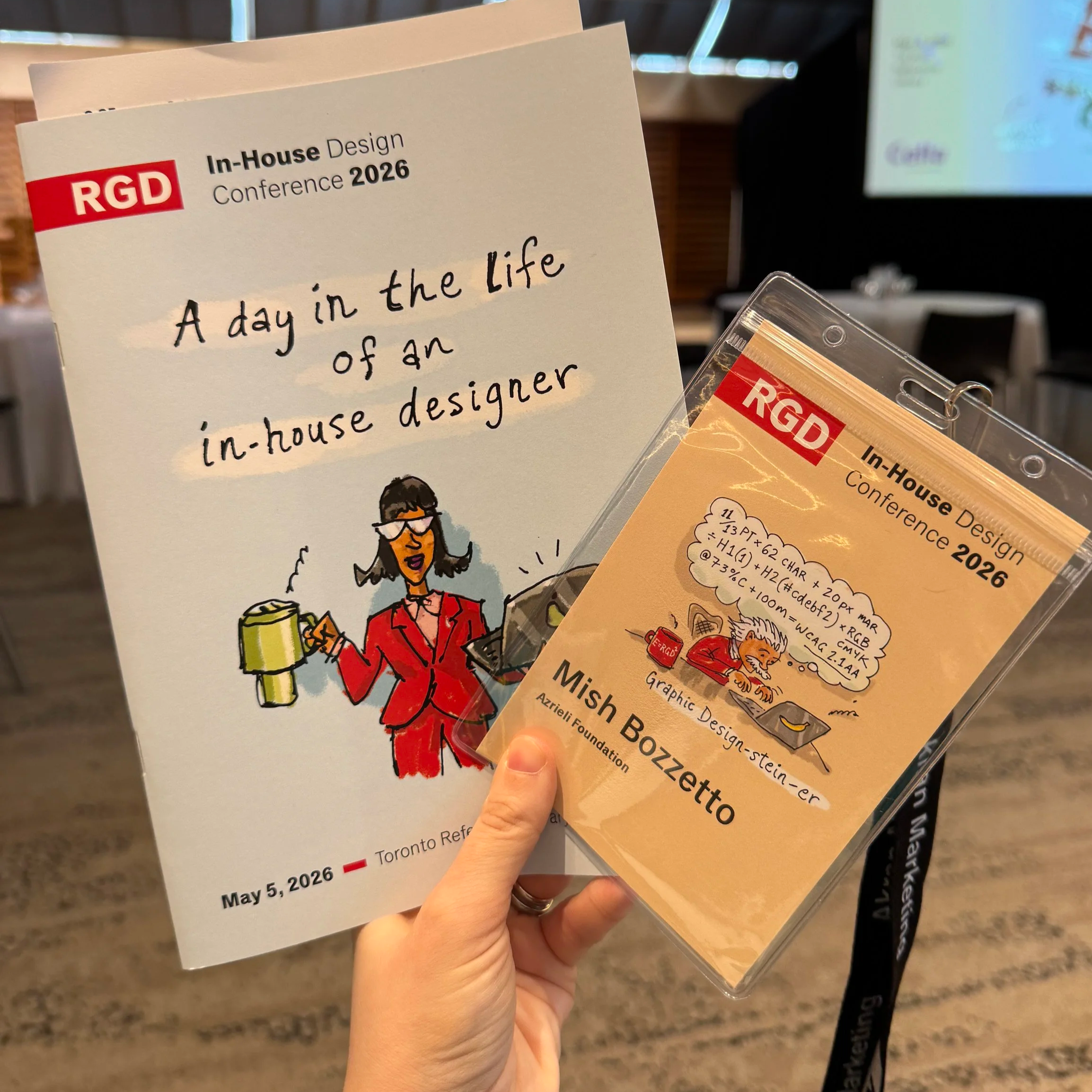
There is a very specific type of fatigue that sets in at traditional creative conferences. You know the routine: you sit in a dark theatre for eight hours, staring up at a massive screen, absorbing insights from speakers, and then awkwardly try to strike up a conversation with the person next to you while you’re both super burnt out.
When I stepped into the Bram & Bluma Appel Salon at the Toronto Reference Library for the RGD In-House Design Conference in early May, I immediately felt a shift in the energy.
Maybe it was the shared understanding that everyone in the room navigated the incredibly unique ecosystem of in-house design. But for the first time in a long time, I felt engaged at a conference in a way I hadn't experienced before.
The Power of the Roundtables
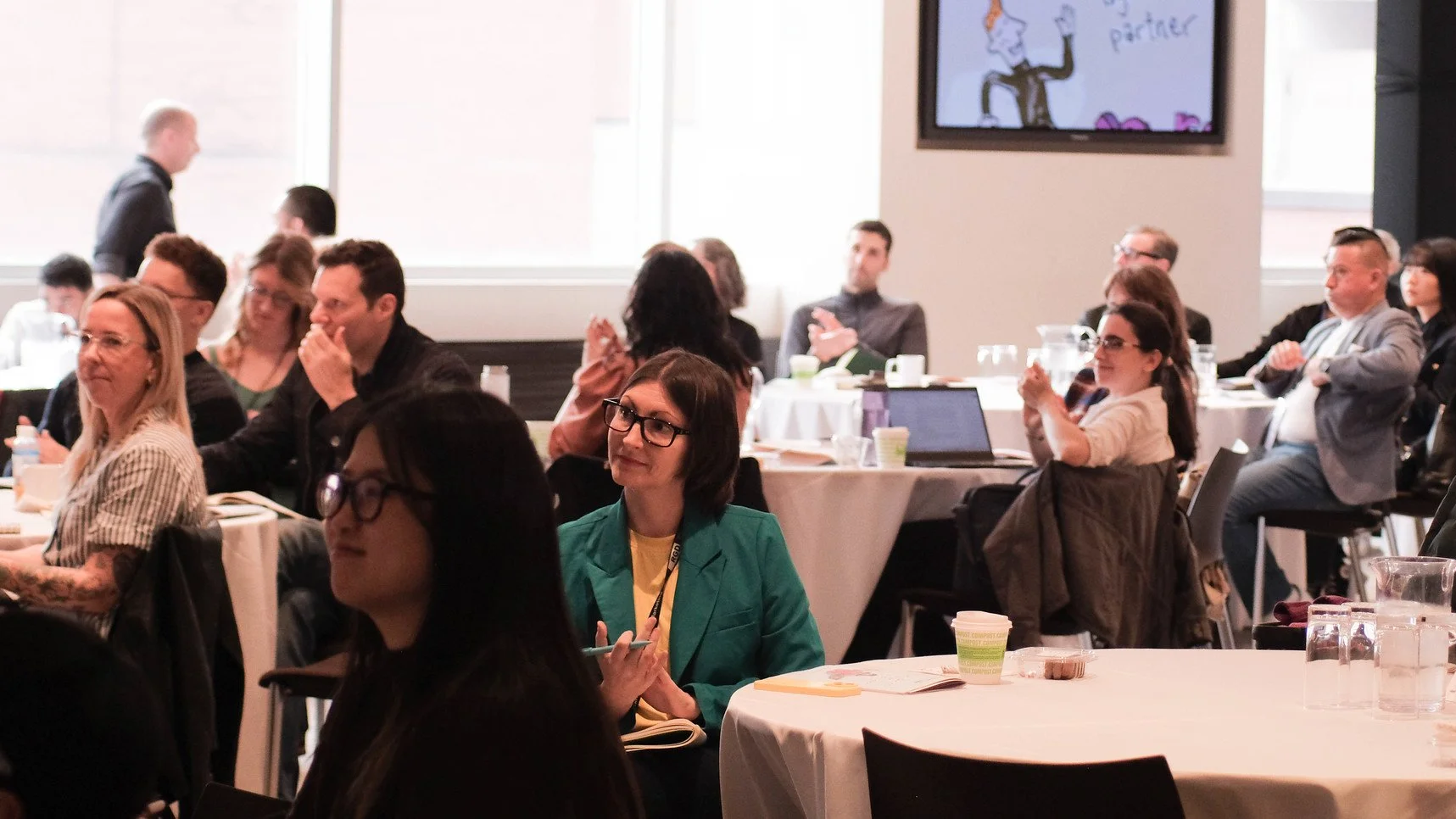
The absolute game-changer of the day was the interactive session stream.
Friends, I participated in my first true roundtable discussion!
In a typical keynote setting, communication is entirely one-way. A thought leader shares their expertise, the audience takes notes, and the barrier between "expert" and "attendee" remains firmly intact. But at a roundtable, that hierarchy completely dissolves.
And there weren’t just organized roundtable sessions. The seating throughout the conference were round tables, instead of forward-facing theatre setup. Sitting face-to-face with a small group of creative peers during the main speaker sessions made the whole conference feel like a collaborative workshop.
We shared our wins, compared notes on managing stakeholder expectations, and realized that whether we were part of a massive team or operating as a department of one, our hurdles were remarkably similar.
By the time lunch rolled around, I didn't just have a list of new LinkedIn connections, I had a room full of colleagues who truly understood the day-to-day realities of the in-house creative struggle.
Takeaways from the Stage
Of course, the structured presentations were just as impactful. A few sessions particularly stood out:
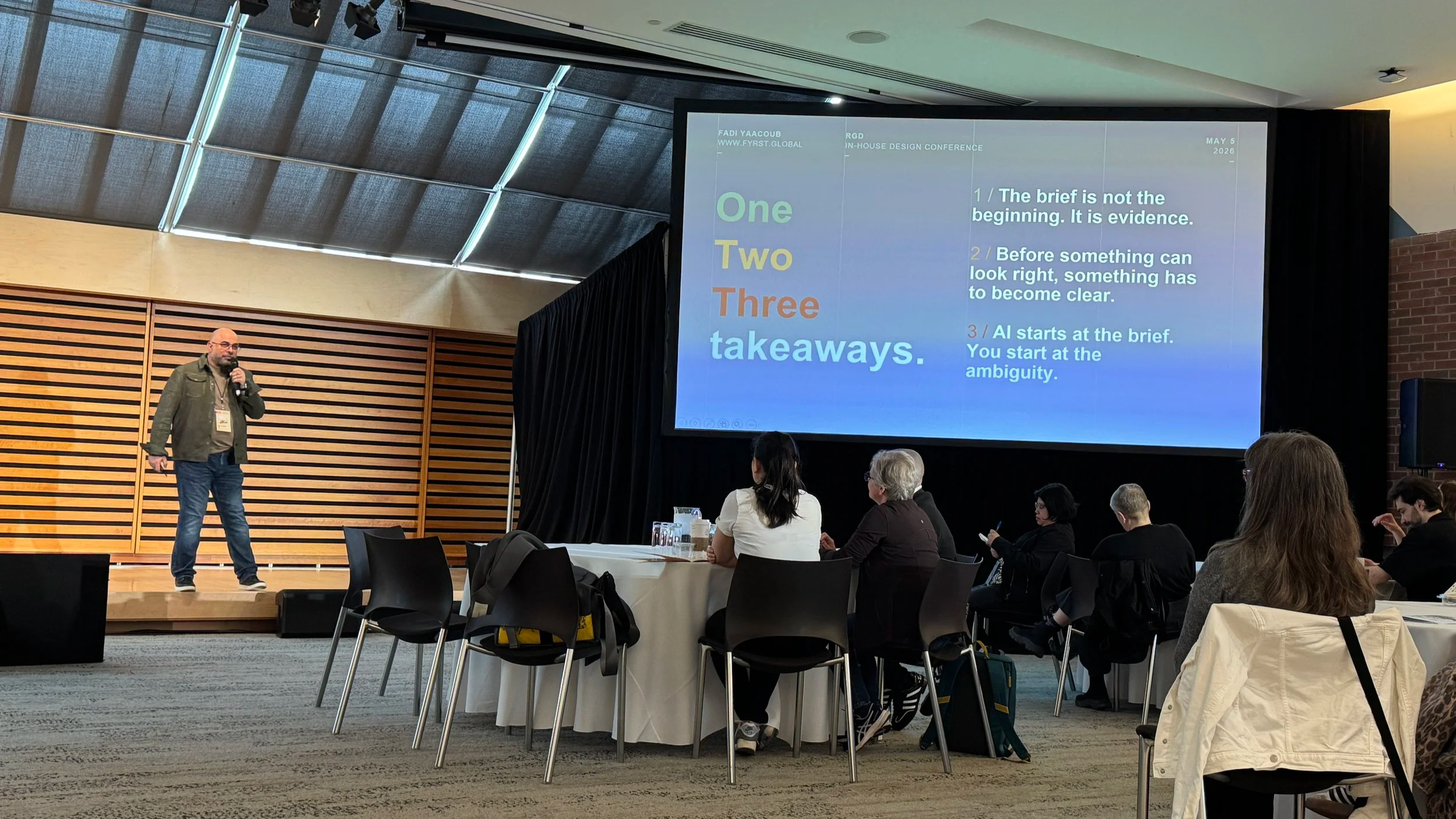
Before the Brief: Why Design's Real Value Lives Upstream
Before the Brief: Why Design's Real Value Lives Upstream: This session hit on a massive truth for in-house teams: our real power starts before a project begins. It’s about finding our way into the room where the strategic leadership decisions are actually being made. When design has a seat at the table during the early stages of a project, the execution is infinitely stronger.
Stop Asking Why: What Parenting Teaches us about Leading Designers: A brilliantly human take on creative management. It looked at how we can better support, guide, and protect our design teams by fostering psychological safety and handling unique personalities with real empathy and intentional leadership.
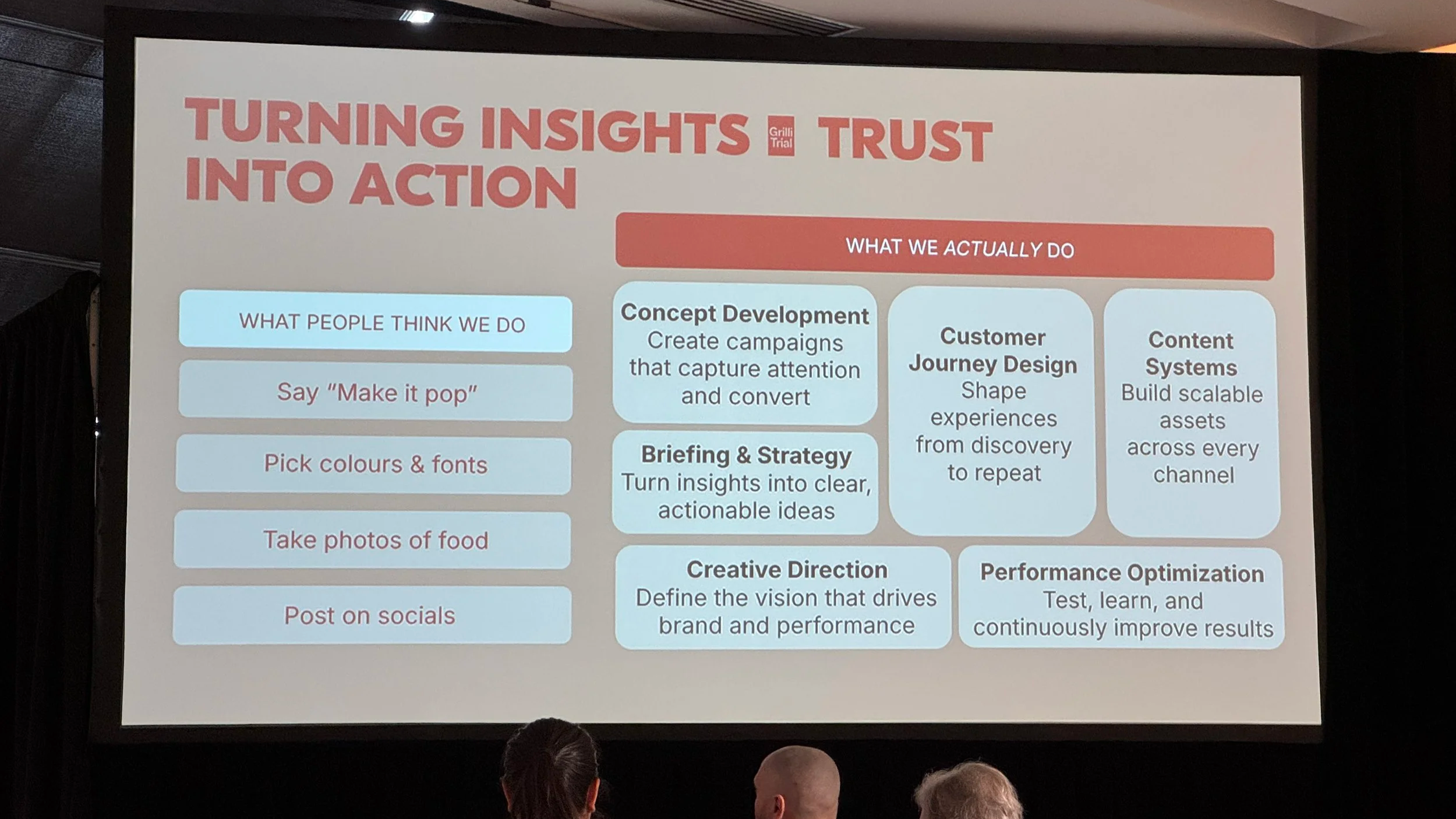
Designing for Brands that No One Understands
From Scratch to Scalable: Designing a Creative Process from the Ground Up: As teams evolve, operational workflow becomes everything. This talk offered a practical roadmap for taking chaotic, ad-hoc design requests and structuring them into sustainable, scalable internal systems that help creatives to do their jobs.
Designing for Brands that No One Understands: This talk dismantled the challenge of translating highly technical, niche, or "dry" organizational offerings into compelling, human-centered visual stories that actually connect with an audience.
A New Framework for Creative Community
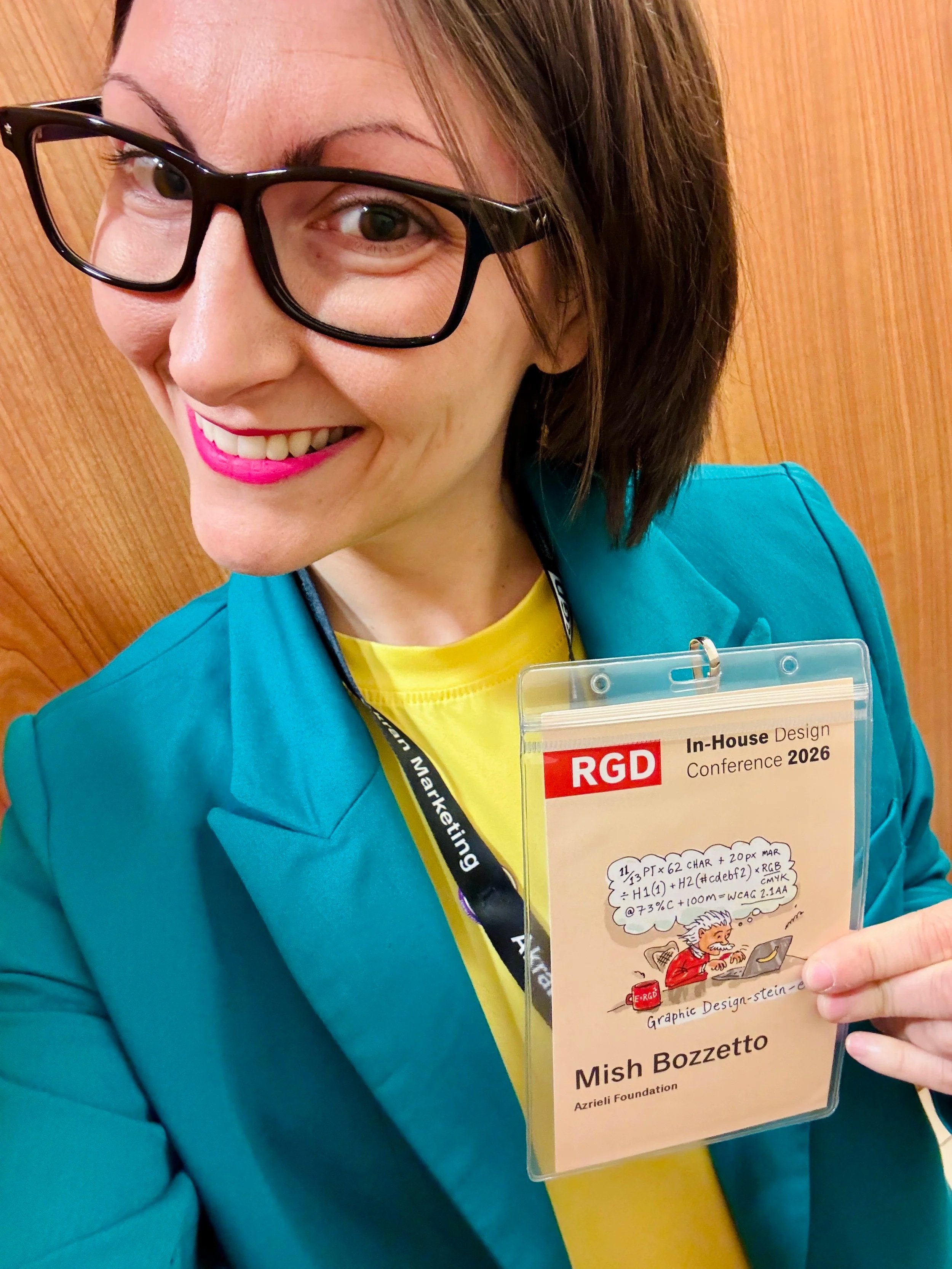
Leaving the library that afternoon, my notebook wasn't just full of design and workflow tips; it was full of fresh perspectives on what creative leadership actually looks like.
The RGD In-House Conference proved that when you give designers a space to actually talk with each other rather than just at each other, the resulting community can be powerful. Stepping out of the daily routine to invest in high-level strategy and authentic peer-to-peer conversation was exactly the spark I needed.
Here’s to fewer dark theatres, more shared tables, and continuing to build those vital professional bridges. ✍️💛⚡️
